Rabies Vaccination
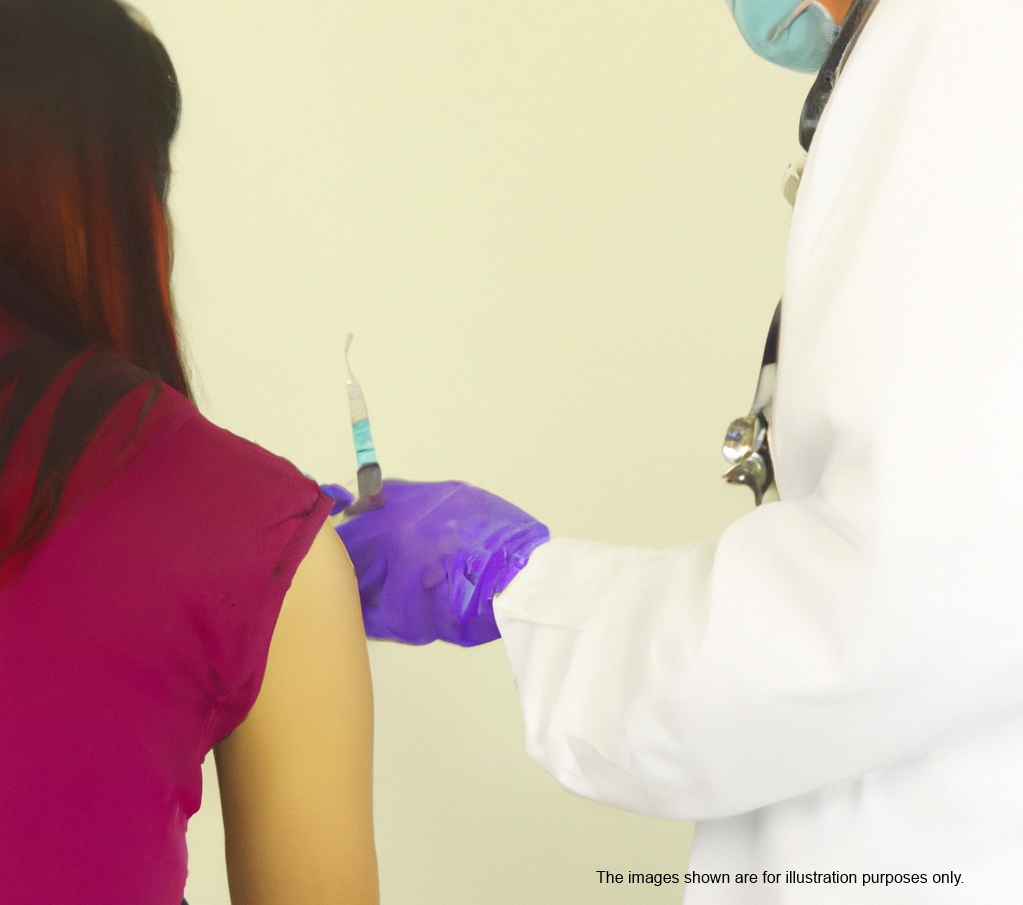
A vaccination to guard against rabies is advised for individuals deemed to
be at risk. The rabies vaccine is formulated from inactivated rabies virus,
rendering it incapable of causing rabies.
What is rabies?
Rabies is a severe illness caused by a virus primarily affecting animals.
Humans contract rabies through bites from infected animals.
Initially, symptoms may not manifest. However, weeks or months following a
bite, rabies can induce pain, fatigue, headaches, fever, and irritability.
These symptoms progress to seizures, hallucinations, and paralysis. Human
rabies is nearly always fatal.
Skunks, raccoons, dogs, cats, coyotes, foxes, bats, and other mammals can
transmit the disease.
Who should receive the vaccine?
Typically, the rabies vaccine is recommended for:
• Laboratory personnel who may handle samples of the rabies virus.
• Individuals with close animal contact, such as veterinarians or zoo animal
handlers.
Additionally, it is advisable for:
• Individuals traveling to regions where rabies is prevalent in animals for
one month or longer, without access to prompt medical care.
• Those engaging in activities that expose them to rabies in areas where the
disease is common, such as jungle trekking.
The vaccine
Two rabies vaccines are commercially available. Typically, vaccination
entails a three-dose regimen for immunity. The second dose is administered
seven days following the first, while the third dose is given 21 or 28 days
after the first, depending on the vaccine used.
The pre-exposure vaccination schedule for rabies consists of 3 doses,
administered at the following intervals:
Dose 1: As appropriate
Dose 2: 7 days after Dose 1
Dose 3: 21 days or 28 days after Dose 1
The injections are usually painless and administered into the upper arm.
Serious side effects are uncommon. Vaccination should be completed before
departure to allow sufficient time for full immunity development.
What are the risks associated with the rabies vaccine?
Like any medication, vaccines can pose serious risks, such as severe
allergic reactions. However, the likelihood of serious harm or death from
the rabies vaccine is exceedingly low. Serious adverse effects from the
rabies vaccine are extremely rare.
As a general guideline, pregnant women are typically advised against rabies
vaccination unless the potential risk of rabies exposure is deemed
significant and access to medical care is limited.
folder_open Medicines Information